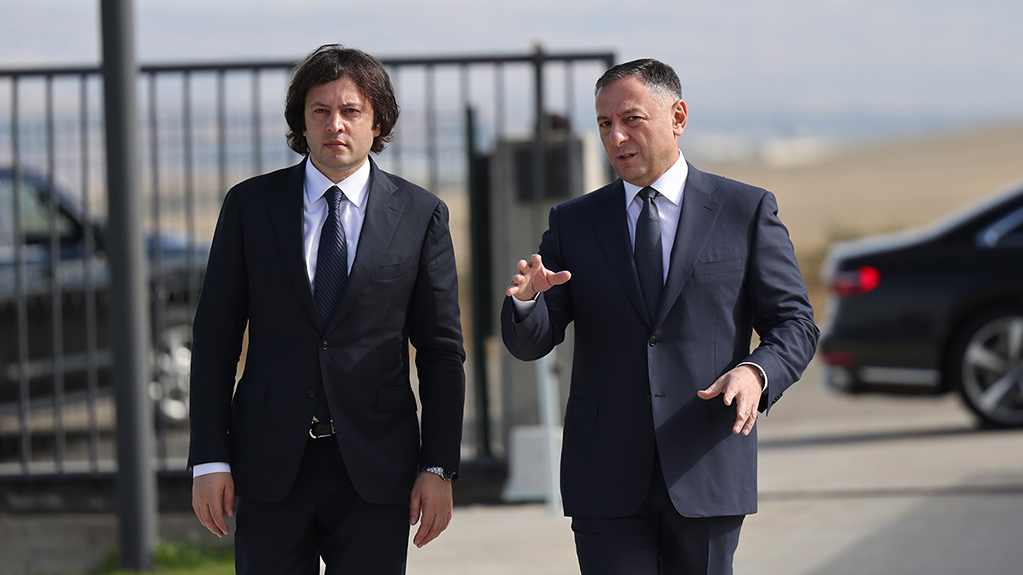
“Vakhtang Gomelauri confirmed that the powder and other means used were purchased in 2009 and 2007. Vakhtang Gomelauri should have known the purpose of the powder. However, Vakhtang Gomelauri is not a chemist to have checked the powders bought in 2007 and 2009,” said Georgian Dream Prime Minister Irakli Kobakhidze regarding the allegations of the use of banned chemicals against protest participants.
News
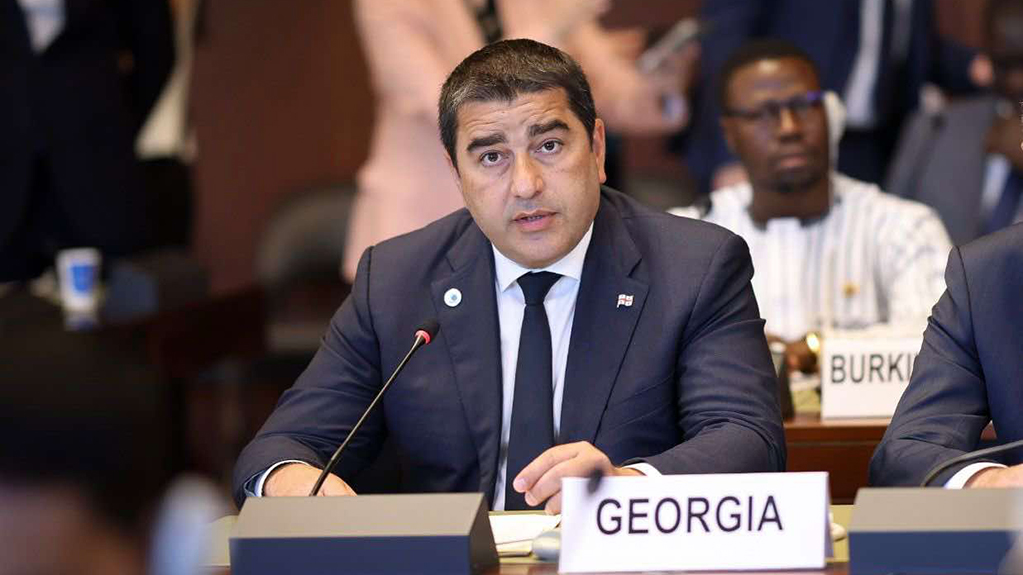

Kobakhidze once again had to clarify the statement made by former Minister of Internal Affairs Vakhtang Gomelauri.
“The Ministry of Internal Affairs knew it was using water; it was using a specific substance and a particular dissolving agent that had been purchased at that time. The investigation will examine the remaining issues, but I want to assure you that, for example, Vano Merabishvili [Minister of Internal Affairs from 2004 to 2012] may encounter problems if he purchased something he should not have. I am speaking about this theoretically,” stated the Georgian Dream Prime Minister.
According to Kobakhidze, the substance acquired in 2007 and 2009 “was actively used” to disperse demonstrations.
“A particular substance was purchased in 2009 and used. I am unsure of what this substance was. The investigation will probably address this. In 2007, 2008, 2009, 2010, and again in 2019 and 2020, a specific substance purchased in 2007 and 2009 was used. There is nothing scandalous about it, especially since the leaders of your party purchased this substance,” Kobakhidze told journalists.
He described the BBC investigative material as a “cheap attempt to create a scandal” and stated that “the investigation will examine who was involved in this hostile activity against Georgia’s national interests.”
“When Water Burns: The Fight for Georgia” - the BBC World Service released a journalistic investigation with this title on November 30. The journalists obtained evidence indicating that the Georgian Dream government mixed a prohibited chemical substance into water cannons used against its own citizens.
The BBC managed to obtain a copy of the inventory from the Special Tasks Department, dated December 2019. Journalists found that it listed two unnamed chemicals, named “Chemical liquid UN1710” and “Chemical powder UN3439,” along with instructions for mixing.
UN1710 stands for trichloroethylene (TCE). It allows other chemical compounds to dissolve in water. UN3439 was much harder to identify since, as the BBC explains, it is an umbrella code for a whole range of industrial chemicals, all of which are hazardous. The only one of these that the BBC found to have ever been used as a riot-control agent is bromobenzyl cyanide.
After reviewing the BBC's evidence—medical research, witness statements, interviews with whistleblowers, and human rights reports—a leading expert in toxicology and chemical weapons, Professor Christopher Holstege of the University of Virginia, concluded that the substance used was bromobenzyl cyanide, also known as “camite.” “Camite” was first used as a chemical weapon by French forces in World War I and was soon withdrawn from use because of the long-lasting effects of exposure.
On December 1, the former Minister of Internal Affairs announced that “these substances that they are discussing, the Ministry of Internal Affairs indeed purchased and used them, but only until 2012. If I am not mistaken, the last time they were bought was in 2009 or 2010. After this, MIA has neither purchased nor used them. I can confirm this with full responsibility that UNM dug up a hidden story.” This Gomelauri’s comment was spread by the pro-government propaganda TV channel “Imedi”
Later, Irakli Kobakhidze said that MIA purchased substances under the code UN3439 but denied that it was “camite.” “One of the substances under this code is “camite”, which is banned. There are dozens of substances there, many of which are not banned, he said.
The “Georgian Dream” government is threatening the BBC with legal action.