The Georgian Dream has filed a complaint with the British Broadcasting Corporation (BBC) regarding a journalistic investigation into the use of a World War I chemical weapon, bromobenzyl cyanide (so-called camite), against participants in anti-government protests at the end of last year.
News
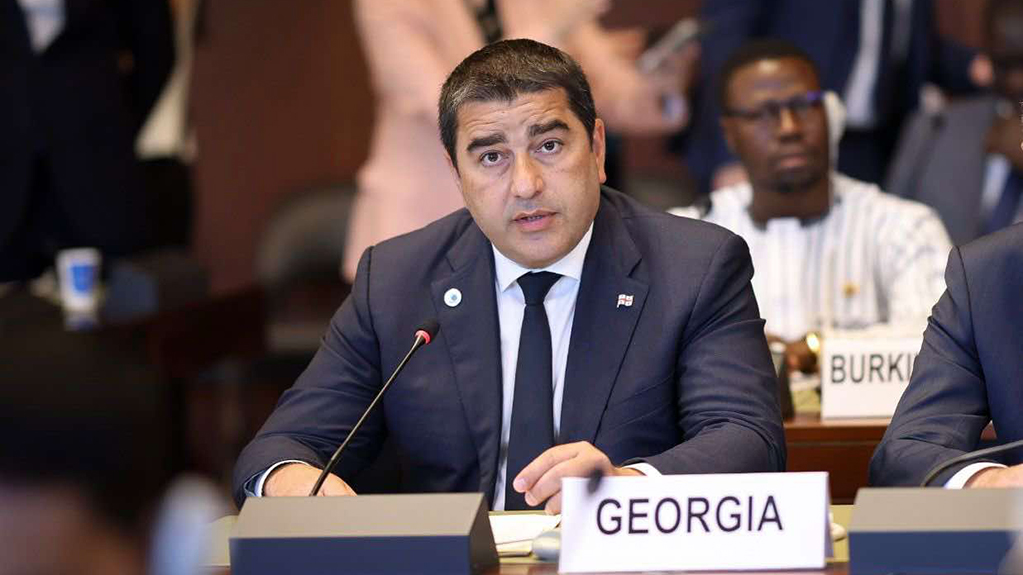
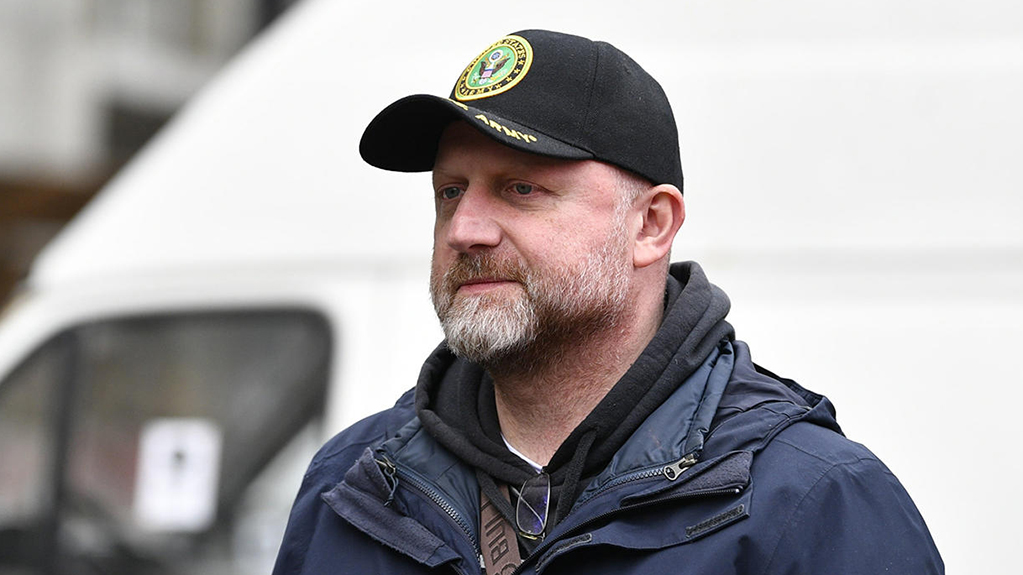
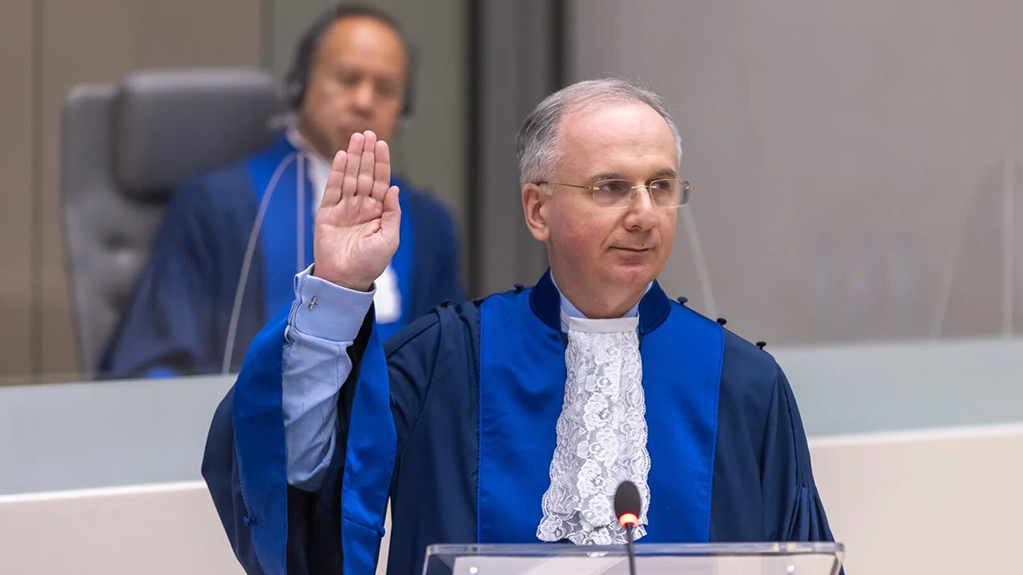
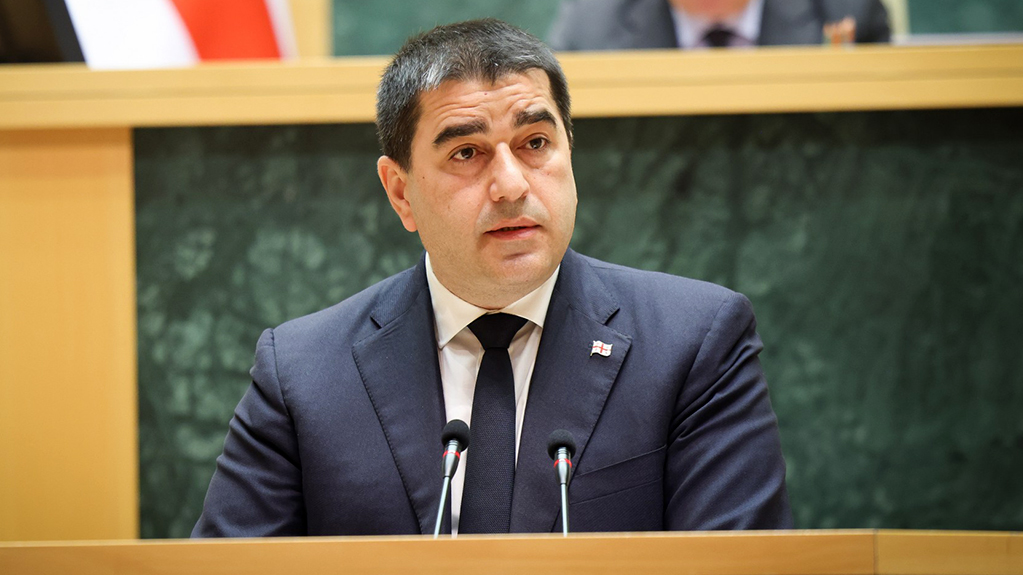
As stated by the Chairman of the Georgian Dream Parliament, Shalva Papuashvili, the complaint was filed yesterday, January 14.
“The film and accompanying materials contain serious and unsubstantiated allegations that violate the BBC’s own editorial standards, the UK Office of Communications (Ofcom) Broadcasting Code, and the fundamental principles of responsible journalism.
First and foremost, there is a clear violation of the obligation of accuracy. The BBC presented as fact the claim that Georgian law enforcement agencies used the chemical substance ‘camite’ during the protests. This claim is not supported by any verified, independent, or reliable source. On the contrary, the investigation confirmed that the Ministry of Internal Affairs has never used or possessed this substance.
The BBC also falsely presents the events as though protest participants did not engage in violent acts against law enforcement officers and that the authorities nevertheless dispersed the gatherings.
In addition, without any reliable evidence, the BBC claims that the Honorary Chairman of Georgian Dream, Bidzina Ivanishvili, was involved in decision-making related to the dispersal of violent protests held in November–December 2024.
The second major violation concerns impartiality. The report advances a clearly one-sided narrative, portraying the Georgian government as the organizer of violence and labelling it as ‘pro-Russian’ and ‘acting in Russia’s interests,’ while completely ignoring the government’s position, official explanations from law enforcement agencies, and the broader context necessary for an objective assessment of the events.
The third issue is the disregard for fairness and the right to reply. The BBC approached the Georgian government with serious allegations only a few days before the broadcast, which contradicts its own editorial guidelines requiring meaningful engagement within an adequate timeframe in cases involving grave accusations.
Finally, the report contains clear elements of defamation. It relies on statements from individuals whose credibility, conflicts of interest, and background were not disclosed to the audience. As a result, assumptions and hypotheses are presented as established facts, leaving viewers with a distorted and misleading picture”, stated Shalva Papuashvili.
The Georgian Dream demands that the BBC remove the journalistic investigation from relevant platforms and issue a “public and clear” apology.
In the event of failure to comply with these demands, as Papuashvili said, they will first appeal to the British Office of Communications, Ofcom, and if “the violation is not eliminated” there, they will appeal to the British court.
“We will use all legal means to expose this vile campaign against Georgia, including the right to appeal to the European Court of Human Rights,” said Shalva Papuashvili.
BBC World Service published a journalistic investigation titled “When Water Burns: The Fight for Georgia” on November 30, 2025. The journalists obtained a copy of the inventory list of the Special Tasks Department of the Georgian Ministry of Internal Affairs, where they found two unnamed chemical substances - “Chemical Liquid UN1710” and “Chemical Powder UN3439”.
UN1710 stands for trichloroethylene (TCE). It helps dissolve other chemical compounds in water. Christopher Holstege, head of the Department of Medical Toxicology at the University of Virginia, told the BBC that “Trichloroethylene easily penetrates the skin, lungs and gastrointestinal tract. It affects the nervous and cardiovascular systems, can affect the liver. The higher the dose, the greater the risk of complications.”
UN3439 was much harder to identify because, as the BBC writes, it is an umbrella code for a whole range of industrial chemicals, all of which are hazardous. The BBC has found that the only one of these that ever been used as a riot-control agent is bromobenzyl cyanide, also known as camite. Camite was first used as a chemical weapon by French forces in World War I and was soon withdrawn from use due to the long-lasting effects of exposure.
The Georgian Dream State Security Service stated that the MIA purchased chlorobenzylidene malononitrile and trichloroethylene under the codes indicated in the BBC material - UN1710 and UN3439 - in 2007 and 2009. As part of the investigation, trichloroethylene was also seized from the MIA - according to the SSS, the written-off balance amounted to 880 liters.
As a result of a five-day investigation, as the SSS stated, it was established that in early December 2024, namely on the night of December 4-5, the substance “chlorobenzylidene malononitrile” was used to control the crowds, and a solution of the substance “propylene glycol” was used as a solvent. “Chlorobenzylidene malononitrile” (Chlorobenzylidenemalononitrile) is known as CS, or tear gas.
“None of the above-mentioned substances belong to the category of prohibited substances,” said Lasha Maghradze, the first deputy head of the State Security Service. He did not explain what substances were used on other days of the protests that began on November 28.
According to the Prime Minister of the Georgian Dream, Irakli Kobakhidze, “the investigation has unequivocally confirmed” that the Ministry of Internal Affairs “did not use not only “camite”, but also any prohibited substances when dispersing violent protesters last year.” Kobakhidze also demanded an apology from the British government for the BBC’s journalistic investigation.