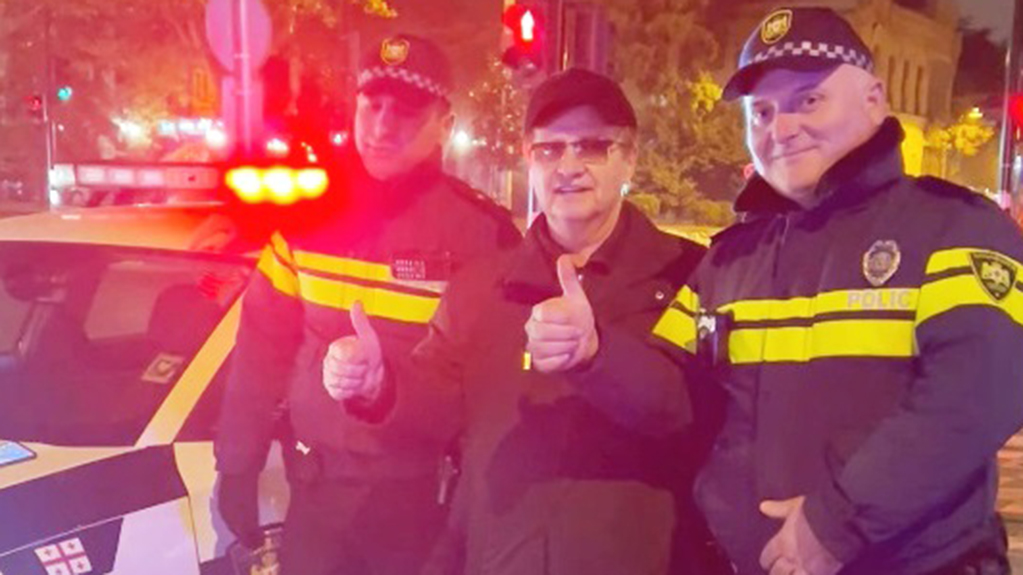
Alexey Lobarev, head of the Russian Association of Law Enforcement Trade Unions, visited Tbilisi during the pro-European rallies to "get a sense of the situation on the ground." He shared a photo of himself with Georgian police officers on Facebook.
News
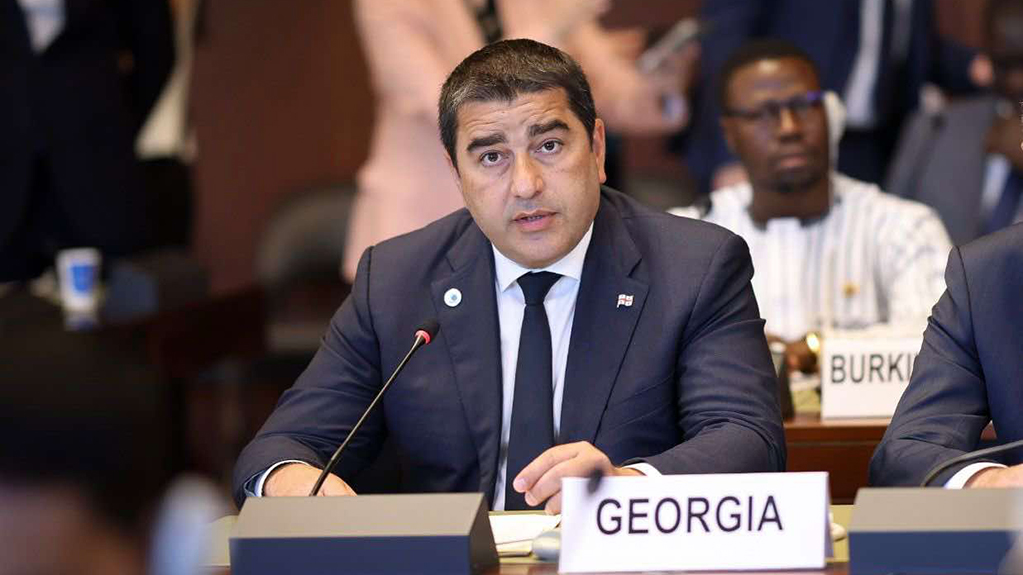
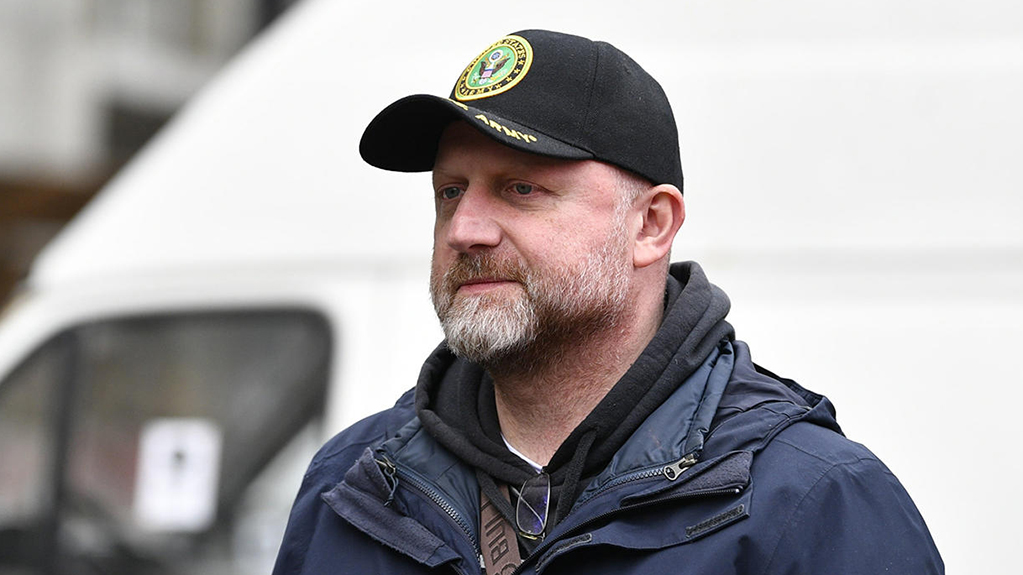
“At the invitation of my colleagues from Georgia, I traveled to Tbilisi as the head of the Russian Association of Law Enforcement Trade Unions and Commissioner for International Cooperation to assess the situation caused by the illegal anti-government protests. I want to note at the outset that the majority of Georgians hold a very negative view of the protesters,” Lobarev wrote on Facebook on December 10.
He stated that the employees of the Georgian Ministry of Internal Affairs “conducted themselves with dignity in this extreme situation.” Alexey Lobarev emphasized that “as a result of the actions of the rioters,” more than 150 police officers were injured.
“They sustained burns, fractures, and head and facial injuries. Organized groups of militants used pyrotechnics, Molotov cocktails, batons, brass knuckles, and even special rifles against police equipment and officers.”
Lobarev pointed out two things that characterize the Georgian capital:
- Despite the evening and night protests, life in Tbilisi during the day proceeds as usual.
- The attitude towards Russia in Georgia has improved significantly in recent months. On the streets, at markets, in shops, and cafes, I spoke Russian fluently, and everyone understood me and responded in Russian,” Lobarev wrote.
He also noted that trade unions are apolitical, and their “main goal is to protect the rights and interests of law enforcement officers, regardless of the political situation.”