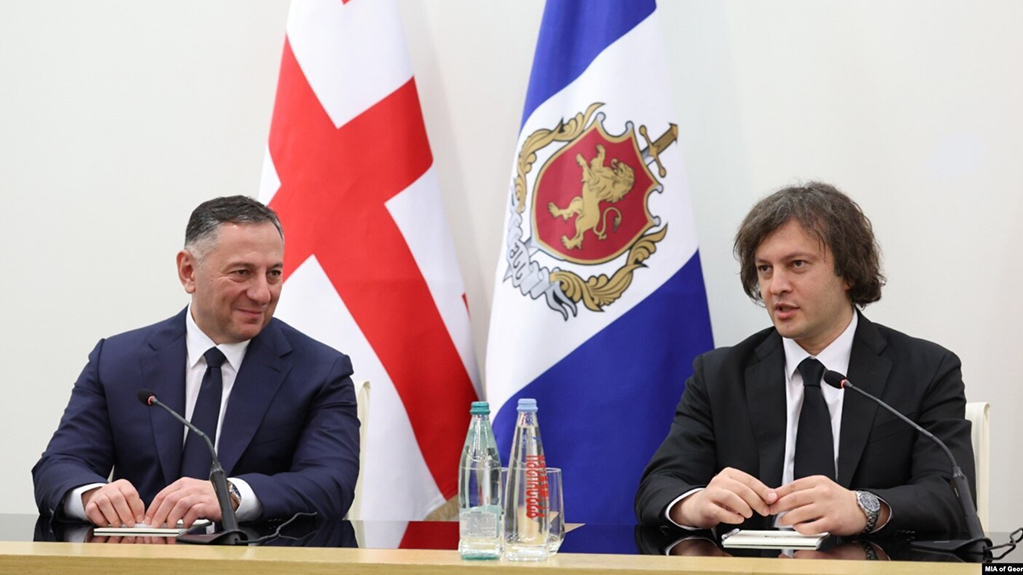
According to the pro-government propaganda television channel "Imedi", the former Minister of Internal Affairs, Vakhtang Gomelauri, responded to the BBC journalistic investigation and denied the use of a World War I-era chemical weapon against protesters during anti-government demonstrations.
News
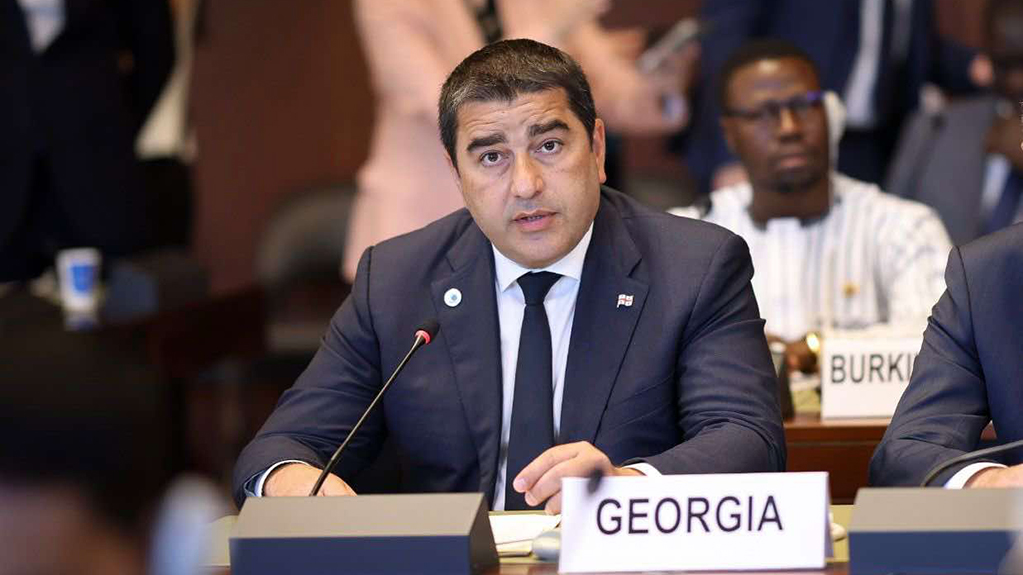

“These substances that they are discussing, the Ministry of Internal Affairs (MIA) indeed purchased and used them, but only until 2012. If I am not mistaken, the last time they were bought was in 2009 or 2010. After this, MIA has neither purchased nor used them. I can confirm this with full responsibility that UNM dug up a hidden story,” stated Gomelauri.
Vakhtang Gomelauri resigned from the position of Minister of Internal Affairs in May 2025. He has been sanctioned by the United States, the United Kingdom, and several European Union countries for human rights violations and for police violence against peaceful demonstrators and journalists.
The BBC gathered evidence suggesting that in 2024, the Georgian Dream party used WWI-era chemical weapons to disperse protests. The substance involved is bromobenzyl cyanide, which the French military called “camite.” This substance was deployed by France against Germany during World War I. There is little documentation of its subsequent use. It is believed to have been taken out of circulation sometime in the 1930s and replaced by CS (known as “tear gas”).
One participant in the demonstrations in Tbilisi told the BBC that the water cannon felt like the water was burning and that it was impossible to get rid of the sensation even after washing. Protesters also complained of other symptoms, including shortness of breath, coughing, and vomiting, which persisted for weeks.
The BBC was assisted by several senior officials from the Georgian Interior Ministry's special forces unit in identifying the chemical. Lasha Shergelashvili, who was previously responsible for arming the unit, believes it is the same compound he was asked to test for use in a water cannon in 2009.
“Based on the available evidence… the clinical findings reported by both those exposed and by other witnesses are consistent with bromobenzyl cyanide," said Christopher Holstege, and ruled out the likelihood of the symptoms being caused by more conventional crowd control measures, such as tear gas. He said the duration of the symptoms was not consistent with the effects of tear gas.
Christopher Holstig suggested that bromobenzyl cyanide might have been used because it is a strong deterrent:
"It would keep people away for a long time. They couldn't decontaminate [themselves]. They would have to go to the hospital. They would have to leave the area. If that is indeed the case - that this chemical has been brought back - that is actually exceedingly dangerous,“ the expert said.
Georgian Dream called the BBC a “propaganda tool of the deep state” and threatened to sue in international courts. The party stated that the published material is “a torrent of lies” and represents an attempt to “tarnish the Georgian government, the Georgian police, and most importantly, the Georgian statehood”.
The Georgian Dream’s Ministry of Internal Affairs has not yet released details about what was mixed with the water cannons that were used extensively against the protesters. “When necessary, it is possible to add appropriate substances to the water cannon that are permitted by law, such as gas or other means…paint can also be added, etc. When the use of this is necessary, and there are legal grounds for this, the police can use this means,” Deputy Minister of Internal Affairs Aleksandre Darakhvelidze stated on November 30, 2024.