



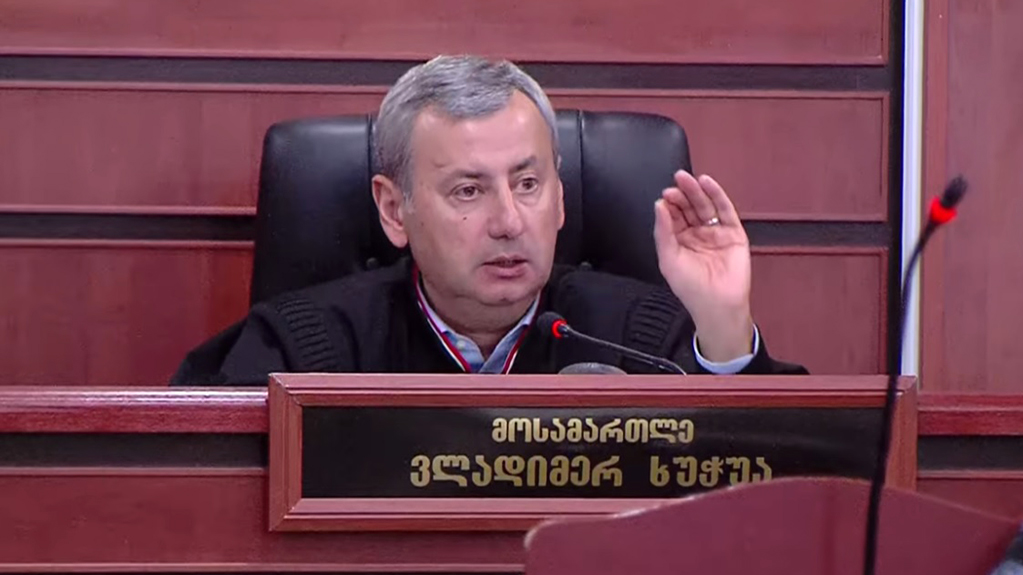
Judge Vladimer Khuchua of the Tetritskaro District Court suspended the review of four administrative cases and submitted constitutional submissions to the Constitutional Court of Georgia concerning certain repressive laws adopted by the Georgian Dream.
News
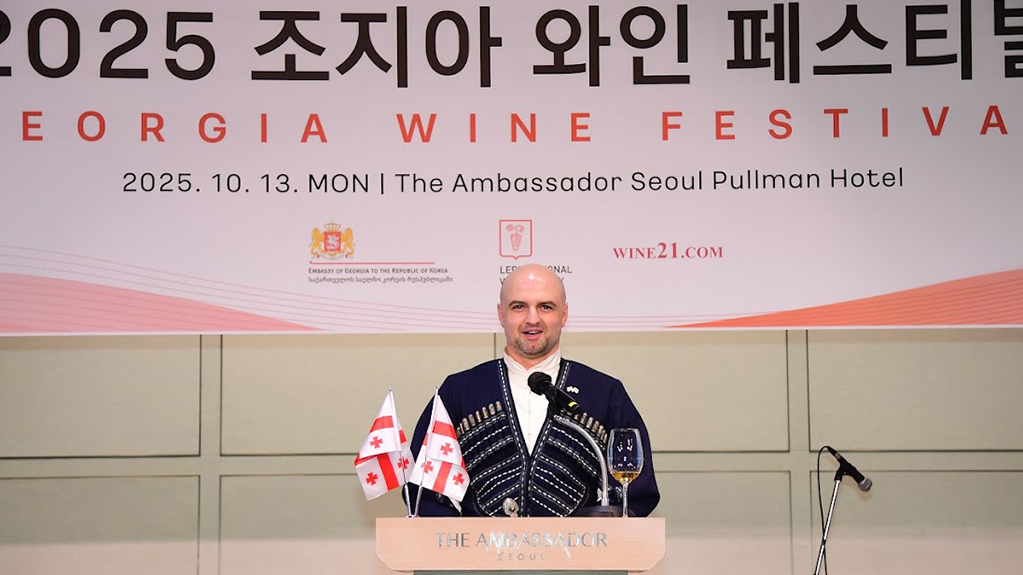

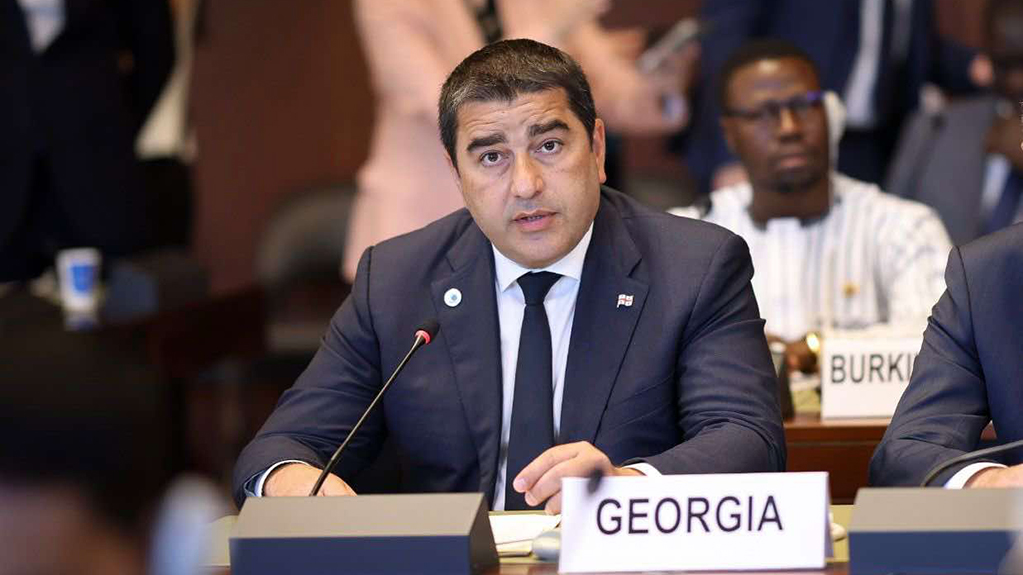

The judge believes that certain amendments to the Code of Administrative Offences in 2025 are unconstitutional. These amendments involve the mandatory imprisonment for failing to pay a fine for an offence, and also entail depriving individuals of rights such as driving and practising law for five years, in cases of illegal purchase, storage, consumption, or being under the influence of small quantities of cannabis or marijuana.
“This concerns the fact that when, for example, a person is fined for disobeying the police and cannot pay it due to their financial or social circumstances, if a case is brought against them for a similar offence in the future, the court is required to impose at least 30 days of administrative detention. I believe that this violates fundamental human rights,“ said Judge Khuchua.
The judge will continue to review the cases after the Constitutional Court resolves the issue.
Vladimer Khuchua has served as a magistrate judge at the Tetritskaro District Court in Tsalka Municipality since June 2021. He was the only judge to confirm a violation of voting secrecy after the 2024 parliamentary elections and to invalidate the results at 30 polling stations.
A judge of a general court may use a constitutional submission if, during the review of a specific case, he or she has a reasonable doubt that the normative act which must be applied in resolving that case may be deemed inconsistent with the Constitution.